 If your lights randomly go dim from time to time, there could be many reasons why. Dimming and flickering lights usually indicate a voltage drop and reduction of current flowing to your fixtures.
Sudden demands for power from high-powered appliances, like ACs or microwaves, are common causes of dimming lights. Loose connections, out-of-date wiring, problem panels, circuit overloads, and issues with the power grid can also make your lights lose brightness temporarily.
While it’s normal for appliances to cause sudden voltage drops from time to time, if you don’t know why your lights are dimming, you may have a serious electrical problem that needs expert attention.
Below, we’ll cover common causes of dimming lights, discuss when they may indicate a dangerous electrical issue, and how to take action.
Quick Takeaways
- Dimming lights are sometimes normal but should not happen frequently.
- Repeated dimming often signals systemic electrical problems.
- Loose wiring, overloaded circuits, and panel issues are common causes of dimming lights.
- The electrical problems that cause dimming lights can increase fire risk.
- A licensed electrician should inspect persistent electrical issues.
Are Dimming Lights Dangerous?
Dimming lights can be dangerous when an underlying electrical problem like faulty wiring, loose connections, circuit overloads, or overheating components creates a fire risk. However, dimming that happens momentarily when a powerful appliance causes a temporary voltage drop is usually harmless. Using dimmer switches to reduce brightness is also safe if the switches are compatible with your circuitry.
As electric current travels through your home’s circuitry, it produces heat as the moving electrons in the current collide with atoms in the wiring. Electrical resistance is a measure of how difficult it is for the current to move through your wires, and as resistance increases, more energy gets converted to heat.
Areas of high resistance in your home’s circuitry can be hazardous. Loose connections can increase resistance by giving current less room to flow. This situation can cause electrical arcing or localized hot spots that can cause a fire.
Though dimming lights are not always dangerous, they could signal that your wiring needs attention. If your lights keep dimming randomly or stay dim, call Mister Sparky for help. Ignoring the problem can put people at risk of shock or fire and potentially damage sensitive electronic devices. A licensed electrician can help keep your home safe.
Common Causes of Dimming Lights
If you’re wondering why your lights are dimming, here are some things to look out for:
Large Appliances Drawing Power
Most modern homes are built to handle 200 amps of current, while older homes may support 100 amps or 60 amps of current. When large appliances like HVAC equipment, refrigerators, washing machines, and dryers start up, they create a high electrical load by drawing a large “inrush” current. This sudden demand creates resistance that causes a temporary voltage drop in your home’s circuitry that makes your lights dimmer.
Overloaded Circuits
Circuit overloads are another common cause of dimming lights. When the demand for power exceeds a circuit’s electrical capacity, the available voltage will drop, and your lights may dim as a result.
Most household circuits have a 15 to 20 amp maximum capacity. If too many devices are drawing power at once, it could strain your circuits and cause an overload. Older homes with undersized wiring and less electrical capacity may be especially susceptible to overloading when several devices share the same circuit.
Loose or Damaged Wiring
Loose or damaged wiring and poor connections can increase resistance in the circuit, causing a voltage reduction that affects your light fixtures. A loose connection in your breaker box that destabilizes the power can lead to dimmed lights.
Old wiring and undersized circuits also contribute to increased resistance and voltage drops in your circuitry. These conditions can be serious when they lead your circuitry to overheat and cause fires.
Electrical Panel Problems
Aging electrical panels, failing breakers, and poor electrical distribution are additional sources of voltage drops that can cause your lights to dim. When breakers have difficulty carrying electrical loads or your panel’s components deteriorate, voltage drops become more common.
If your panel was made more than 30 years ago or carries 100 amps or less, it may not be able to handle your power demands. Plus, if your panels or circuitry include aluminum wiring or components, you may have more resistance in your system.
When the wiring and electrical components in your panels wear out, break down, and loosen, you may experience poor electrical distribution throughout your house. Without a consistent supply of power, it’s common for lights to flicker or go dim.
Utility Voltage Fluctuations
When your area utility grid experiences disruptions or transformer issues, it can reduce the supply of power to your home. Consequently, your lights may dim.
Heavy electrical demand during storms, peak hours, or periods of extremely hot weather can strain the power grid and cause a voltage drop, or “sag.” Downed power lines can also create voltage imbalances that result in dimmed lights.
If several houses in your neighborhood connect to an overloaded or faulty transformer, they will all experience a voltage drop. Also, if you live far away from the nearest transformer, the resistance that builds up as electricity travels along the wire can result in dimmer lights.
When Dimming Lights Signal a Serious Electrical Problem
If the lights in your house dim frequently, these warning signs indicate that it’s time to call an electrician:
Lights Dim Throughout the Entire House
If your whole house goes dim, pay attention; your electrical system could be in serious trouble. Failing breakers, faulty service panels, and loose neutral wires can cause voltage fluctuations that can dramatically increase your risk of electrical fires and property damage. To prevent fire hazards and shocks, have a licensed electrician investigate and resolve the issue.
Lights Dim Without Appliances Running
If your lights dim when your appliances aren’t running or your electrical demand is low, your electrical supply could be dangerously unstable. A bad transformer, loose neutral wire, or problem with your main power supply or wiring can create voltage drops that dim your lights. These problems can lead to electrical fires and damage your circuitry and devices, so they need immediate professional attention.
You Notice Burning Smells or Warm Outlets
If your outlets smell burnt or feel warm to the touch, you need to call an electrician right away. Problems like loose wiring and components or overloading circuits can increase resistance and generate intense heat. As a result, materials around your circuitry can melt, burn, and potentially cause a large fire.
You Notice Flickering Combined With Buzzing Sounds
If you notice buzzing sounds while your lights flicker or dim, these signs indicate an electrical arc somewhere in your circuitry. These arcs occur when electricity jumps across gaps in damaged or loose wiring and components, causing voltage drops.
Electrical arcs can also produce extreme heat and cause fires. Buzzing sounds combined with flickering or dimming lights are warning signs of hazardous faults in your circuitry that need repair ASAP.
Simple Checks Homeowners Can Try
If you have a lamp that won’t reach full brightness, these steps can help you discover if the problem is easy to fix:
- Check light bulbs: Make sure your bulbs are compatible with your lamp and switches.
- Test different outlets: If your lamp’s brightness increases when you move it to a different outlet, the other outlet may be damaged.
- Note when dimming occurs: Notice when dimming happens randomly, or if it occurs when you turn on a large appliance or experience a storm.
- Identify appliances causing dimming: Hair dryers, washing machines, AC units, microwaves, and other powerful appliances can cause dimming when they power on.
When you can’t safely identify and address dimming lights yourself, it’s time to call a pro. Diagnosing wiring or panel problems accurately requires a licensed electrician to handle the job safely.
How Electricians Diagnose Dimming Light Problems
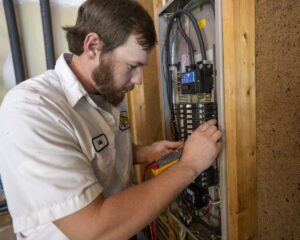 When you hire an electrician to perform electrical troubleshooting services, there are several steps they can take to find the source of dimming lights. These include:
- Voltage testing
- Load testing
- Breaker inspection
- Wiring inspection
- Electrical panel evaluation
Inspecting your circuitry is not something you should do yourself. The experts at Pompano Mister Sparky have the necessary skills and tools to restore your lights and circuitry to normal.
FAQ: Are Dimming Lights Dangerous?
Why do my lights dim when the AC turns on?
If your lights dim when your AC turns on, it’s usually due to a sudden, momentary voltage drop on their circuit. When an AC starts up, it draws a large amount of power from the circuit and its own capacitor. The extra draw on the circuit can cause your lights to dim slightly for a few seconds at most. However, if the brightness dims to half or more, you could have a faulty AC capacitor or an overloaded circuit that needs professional attention.
Is it normal for lights to dim when appliances start?
Large appliances like refrigerators, washing machines, and dryers use motors that need a sudden burst of power to start. The resulting voltage drop that causes your lights to dim for a moment is usually considered normal. If your lights persistently flicker or dim frequently, you may have an electrical problem that needs professional attention.
Can dimming lights cause an electrical fire?
Yes, dimming or flickering lights can cause an electrical fire if heat builds up near the fixture or a circuit fault causes an electrical arc.
Why do my lights randomly dim and brighten?
If your lights dim and brighten randomly, it’s likely that the voltage in their circuit is fluctuating. Circuit overloads, faults in your wiring or electrical panel, incompatible LED bulbs, failing dimmer switches, and utility grid disruptions can all affect the intensity of your lighting. Loose neutral wires are also notorious for causing electrical inconsistencies. If the issue persists, you should call an electrician to fix it.
Should I call an electrician if my lights keep dimming?
If your lights keep dimming, there’s a good chance you have a serious electrical problem. Circuit overloads and electrical arcing aren’t just annoying; they can put your health, home, and devices in harm’s way. An experienced, certified electrician can find the source of your dimming problem, fix the issue safely, and restore your peace of mind.
Keep Your Lights Bright With Pompano Mister Sparky
 If your lights and circuitry are causing trouble, you need to take action. Diagnosing electrical issues early can lower your risk of shock and fire and restore reliable electrical service.
The pros at Pompano Mister Sparky offer the electrical troubleshooting services you need to find and fix any electrical issue you have. Investing in an inspection of wiring, circuits, and panels will make your home safer and potentially help lower your energy bills and save money in the future.
Mister Sparky is Pompano Beach’s on-time electrician. We’ve helped thousands of area homeowners maintain, repair, and upgrade their electrical systems to provide the power they need to live comfortably. When electrical problems start affecting your lights, don’t put up with any malarky! Schedule professional troubleshooting with Pompano Mister Sparky today!